
When Toddler Bedtime Help Starts Making Sleep Harder
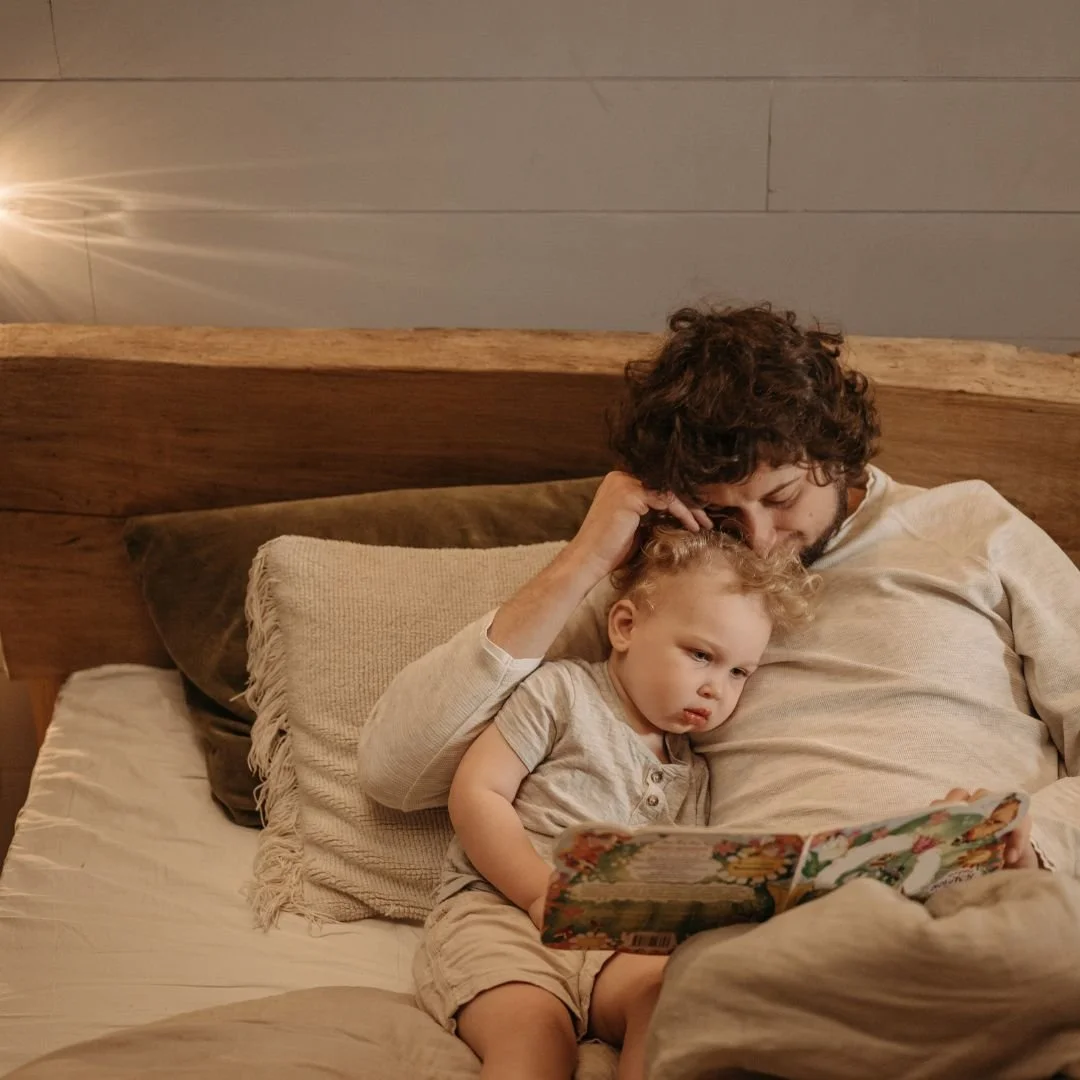
Toddlers are really good at letting us know what they want.
One more book, one more hug, stay with me, I need water, I need a snack, I need my bottle, don’t leave, sit right here, sleep next to me – all common demands from toddlers at bedtime.
And because we love them, and because we are exhausted, and because bedtime is often the point in the day when everyone has the least amount of patience left, we say yes.
Of course we do.
That is parental accommodation.
Parental accommodation is when we change a routine, expectation, or environment to reduce our child’s distress in the moment. It is usually well-intentioned. It comes from love and from wanting our child to feel safe and happy.
And sometimes, it is completely fine. Cutting the crust off your child’s sandwich doesn’t hurt anyone.
The problem is when the accommodation becomes unsustainable.
A toddler who wants you to sit with them for a few minutes at bedtime is one thing. But, a toddler who now needs you in the room for two hours while bedtime gets later and later is something else.
A child asking for water once is one thing. A toddler demanding bottles or food in the middle of the night every night is something else. Normally developing, healthy toddlers do not need bottles or meals overnight, but once the pattern is in place, it can start to feel like they do.
This is usually when parents come to me. Not because they did anything wrong or because their child is “bad.” But because something that started as a quick fix has slowly taken over.
And it makes sense at first.
Your child cries harder than usual, so you stay. They ask for the bottle and it helps them settle, so you allow it. They panic when you leave the room, so you sleep on the floor. Everyone is tired, and in that moment, the fastest way through feels like the best way through.
But toddlers learn through patterns.
When we repeatedly respond to a demand in the same way, we teach them, “This is how bedtime works now.”
Over time, they may start to believe they can’t fall asleep unless you stay. They can’t go back to sleep without the bottle or they can’t handle bedtime unless the routine keeps getting longer.
That belief can feel very real to them, but that does not mean it is true.
This is the hard part: the way to change their behavior is to change our own. That does not mean being harsh, ignoring your child, or to stop being loving.
It means deciding what is sustainable, and then holding that boundary calmly and consistently.
“I love you, but bottles aren’t for overnight.”
“I love you, but I am not sleeping on the floor tonight.”
“I love you, but books are done and it is time for bed.”
“I know this is hard, but you are safe.”
Your toddler may not like the new boundary at first. In fact, they probably won’t. If crying or protesting has worked before, they are going to try it again when the pattern changes.
Just because your toddler protests does not mean the boundary is wrong or that you’re doing any harm to your child. In fact, studies show that accommodations actually promote more anxiety despite the feeling of relief in the moment.
Sometimes distress means, “This is different, and I don’t like it.”
This is why parents need a plan. Because in the middle of the night, when your child is crying and you are exhausted, it is very easy to go back to what feels familiar. But if familiar means two-hour bedtimes, multiple night wakings, bottles overnight, sleeping on the floor, or feeling trapped in a routine you cannot maintain, then it is not actually working anymore.
Behavior change starts with parents.
Not because parents are the problem, but because parents are the ones who can change the pattern. Toddlers are not trying to manipulate us, they are doing what worked before. So when we lovingly and consistently change what works, overtime their behavior changes too.
And children learn quickly!!
They can learn that bedtime has an ending. They can learn that they are safe in their bed. They can learn that they do not need a bottle to fall back asleep. They can learn that mom or dad can leave the room and still come back.
That kind of independence does not make children less secure, it helps them feel more secure.
Because safety is not giving our children every single thing they demand in the moment. Safety is being calm, loving, and consistent enough to show them, “You can do this without those things.”
So if bedtime has turned into hours of negotiating, lying on the floor, replacing bottles, bringing snacks, or trying to sneak out of the room without making a sound, you are not alone.
And you are not stuck. Your child can learn a new way. But first, the pattern has to change.
Check out my posts on strategies to manage toddler nighttime anxiety or schedule your free 30-minute phone call with me for a plan to break the unsustainable patterns and create new, healthy patterns.
